
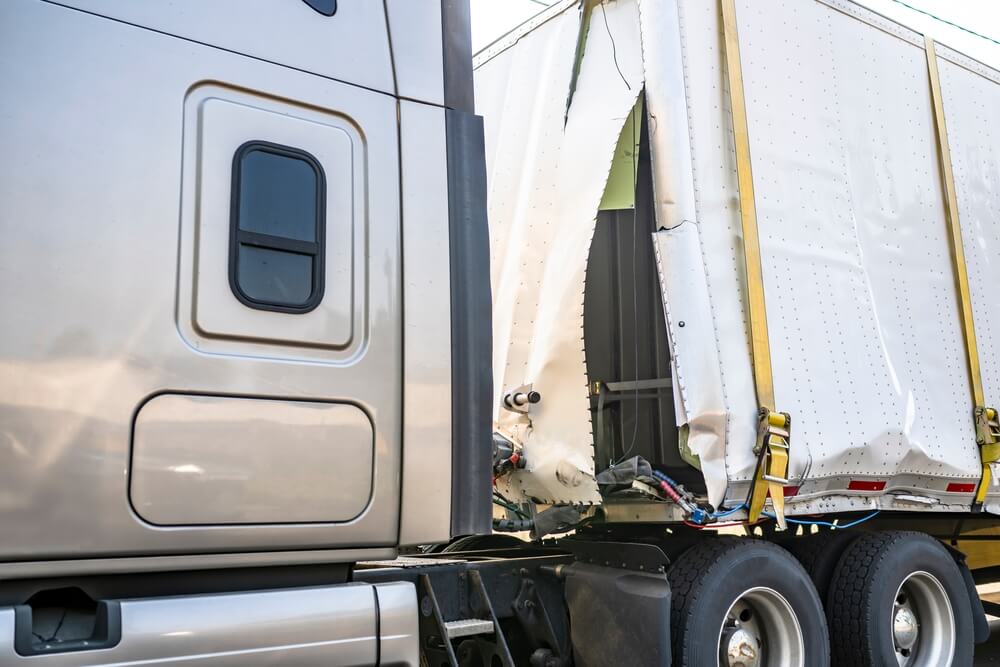
Understanding Shipper Negligence and Liability in Mississippi Commercial Truck Accidents
The highways connecting Mississippi and Alabama are the lifeblood of Southern commerce. From the heavy transit on I-10 moving through Mobile to the constant flow of freight along I-20 and I-59 in Birmingham, commercial trucks are a permanent fixture of our regional landscape. However, when an 18-wheeler loses control or rolls over near Malfunction Junction in Birmingham or on the Bay Bridge in Mobile, the focus often shifts immediately to the driver.
What Is Shipper Negligence in an Alabama Truck Accident?
Shipper negligence occurs when the company responsible for preparing, loading, or securing cargo fails to meet safety standards, leading to an accident. In Alabama, this can include improperly balancing a load, exceeding weight limits, or failing to vet the trucking company for a history of safety violations.
Under Alabama law and Federal Motor Carrier Safety Administration (FMCSA) regulations, shippers have a legal duty to ensure that the freight they put on the road does not create a hazard. This responsibility is distinct from the driver’s duty to operate the vehicle safely. When a shipper cuts corners to meet a delivery deadline at the Port of Mobile or pushes a carrier to bypass weight stations near Montgomery, they can be held liable for the resulting damage.
Negligence often manifests in several ways:
- Improper Load Securement: Failing to use enough tie-downs, straps, or chains to prevent cargo from shifting.
- Overloading: Exceeding the maximum gross vehicle weight, which puts immense strain on brakes and tires.
- Negligent Hiring: Choosing a trucking company with a “Conditional” or “Unsatisfactory” safety rating from the FMCSA.
- Fragile or Hazardous Material Errors: Failing to properly label or contain dangerous goods as required by federal law.
The Role of Cargo Loading in Rollovers and Jackknife Accidents
The physics of a commercial truck are unforgiving. A standard tractor-trailer can weigh up to 80,000 pounds. If the cargo inside that trailer is not centered and secured, the vehicle’s center of gravity becomes unstable. This instability is a leading cause of rollovers, particularly on Alabama’s winding routes and sharp highway curves.
When a truck enters a sharp curve, such as the notorious “Dead Man’s Curve” on I-59/20 in Birmingham, shifting cargo can pull the entire trailer over. Even if the driver is traveling at the posted speed limit, an unbalanced load can make the vehicle impossible to control. In these instances, the shipper who loaded the trailer may be more responsible for the crash than the driver who was behind the wheel.
Can I Sue a Shipper After a Truck Crash in Alabama?
Yes, you can hold a shipper liable if their negligence contributed to your injuries. While the truck driver and their employer are common defendants, Alabama law allows for claims against third-party loaders or shippers if their actions breached the standard of care required for safe cargo transport.
Proving shipper liability requires a deep dive into the logistics of the trip. Our legal team examines bills of lading, loading logs, and weight tickets to determine if the shipper followed protocol. We also investigate whether the shipper “aided or abetted” a violation of federal hours-of-service rules by setting impossible delivery windows that forced the driver to speed or skip rest breaks.
Frequently Asked Questions About Alabama Trucking Liability
Who is responsible for inspecting the cargo before a truck departs?
While federal law requires the driver to perform a pre-trip inspection and check the load within the first 50 miles, the shipper remains liable for latent defects in the loading process. If the shipper sealed the trailer, preventing the driver from inspecting the securement, the shipper bears primary responsibility.
This “Sealed Container Doctrine” is a frequent point of contention in Alabama courts. When a shipper provides a pre-sealed trailer, the driver often has no way of knowing that the internal pallets are unsecured. In these cases, our investigation focuses on the warehouse’s loading protocols and the equipment used to “block and brace” the freight.
Evidence we look for includes:
- Warehouse surveillance footage of the loading process
- Standard Operating Procedures (SOPs) for the shipper’s loading dock
- Witness statements from dock workers or loaders
- Photos of the cargo taken immediately after the accident
How does a truck’s weight affect liability in an Alabama accident?
Overloaded trucks require significantly longer distances to stop and are more prone to brake failure. If a shipper allowed a truck to leave their facility exceeding Alabama’s 80,000-pound limit without proper permits, that violation serves as strong evidence of negligence in a personal injury claim.
In Alabama, the Department of Transportation (ALDOT) enforces strict weight limits on interstates like I-65 and I-85. Shippers who bypass these rules to save on shipping costs are putting every driver on the road at risk. When an overweight truck causes a rear-end collision on a busy road like Airport Boulevard in Mobile or Highway 280 in Birmingham, the sheer momentum of the excess weight often leads to life-altering or fatal injuries.
What compensation can I recover from a negligent shipper?
Victims of truck accidents in Alabama can pursue economic and non-economic damages, including medical expenses, lost wages, and pain and suffering. In cases where a shipper showed a “conscious disregard” for safety—such as repeatedly overloading trucks—punitive damages may also be available to punish the company.
Calculating the full value of a claim requires looking far beyond today’s bills. Catastrophic injuries often require:
- Emergency surgeries and long-term rehabilitation
- Home modifications for mobility assistance
- Compensation for loss of future earning capacity
- Mental health support for post-traumatic stress
Protecting Your Future After a Commercial Truck Crash
The road to recovery after a commercial truck accident is rarely simple. Between navigating Alabama’s contributory negligence laws and facing the corporate legal teams of multi-state shipping companies, victims can easily feel overwhelmed. At Mississippi Car Accident Attorney, we bridge the gap between complex federal regulations and local Alabama legal procedures. Whether your accident happened near the UAB district in Birmingham or on the quiet stretches of I-10 toward the Mississippi line, we have the resources to investigate the shipper, the carrier, and the driver. We focus on the details, the weight tickets, the tie-down specs, and the hiring records so you can focus on healing.
Contact us today for a consultation to discuss your rights and the potential for a claim against all negligent parties, including the shippers who set the accident in motion.



Leave a Reply
Want to join the discussion?Feel free to contribute!