
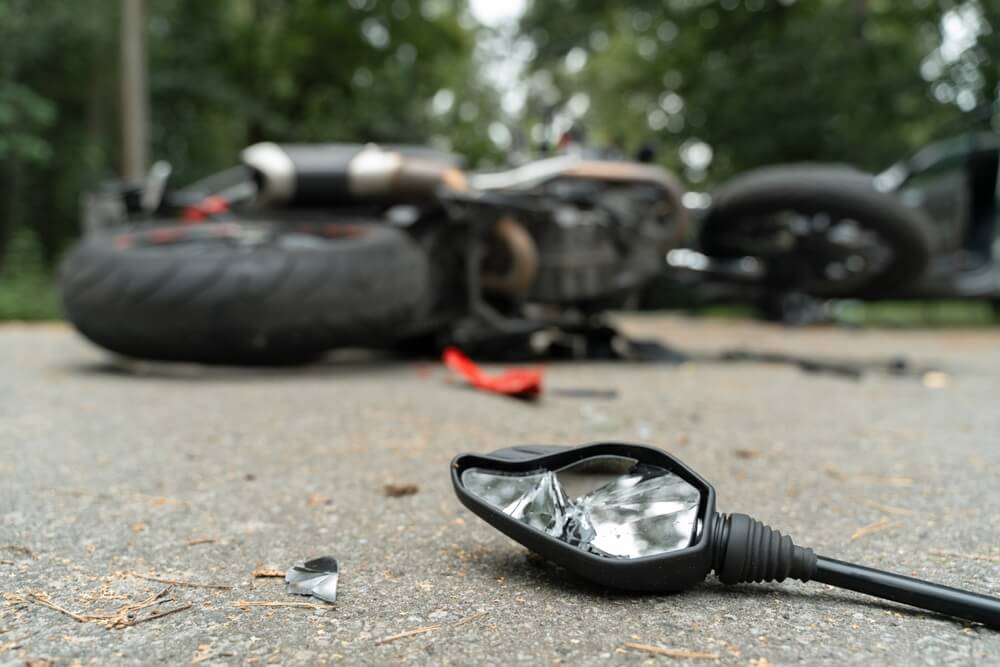
 Mechanical Failure Vs. Rider Error: Strategies for Complex Motorcycle Cases
 Mechanical Failure Vs. Rider Error: Strategies for Complex Motorcycle Cases
The moments following a severe motorcycle collision are often a blur of flashing lights, immediate medical interventions, and mounting anxiety. When riders are rushed to facilities like the trauma center at the University of Mississippi Medical Center (UMMC), their primary focus is simply surviving the physical trauma. Yet, while the injured rider is undergoing surgery or fighting through the first agonizing days of physical therapy, insurance companies are already building a defense. Too often, they point the finger directly at the victim.
The default narrative for many insurance adjusters is that motorcycles are inherently dangerous and the person operating the bike must have made a reckless mistake. This immediate shift to blame ignores a very real and incredibly dangerous alternative: a mechanical failure caused by a defective component. When a tire blows out on a busy interstate or a brake line ruptures without warning, the resulting crash is not rider error—it is a product liability issue.
Identifying the true cause of a wreck requires aggressive investigation and a deep understanding of complex legal frameworks. Our legal team steps between injured riders and the hostile insurance carriers seeking to deny them justice, ensuring the true cause of the collision is brought to light.
How Does Mississippi Law Distinguish Between Rider Error and Mechanical Failure?
Mississippi law requires a thorough factual investigation to separate rider error from mechanical failure. If a rider makes an unsafe maneuver, it falls under standard negligence. However, if a defective tire or brake system caused the crash, the Mississippi Products Liability Act holds the manufacturer financially responsible.
Understanding the legal distinction between these two concepts is the foundation of a successful recovery strategy. When an adjuster claims rider error, they are arguing that the motorcyclist breached a standard duty of care. This standard negligence framework suggests that the rider was speeding, failed to maintain a proper lookout, or executed an unsafe lane change. The burden falls on the opposing party to prove the rider’s actions directly caused the impact.
Mechanical failure fundamentally changes the legal landscape. When a component fails, the liability shifts from the individuals on the road to the corporations that designed, manufactured, or distributed the motorcycle. This falls under the realm of product liability. A rider cannot be held responsible for an accident triggered by a hidden defect that was completely outside their control.
Insurance companies heavily favor the negligence argument because it is often easier to convince a jury that a motorcyclist was reckless. Overcoming this requires more than just the rider’s testimony. It demands an exhaustive investigation by legal professionals who know how to identify the telltale signs of a component failure. We must peel back the layers of the crash, moving beyond the surface-level police report to examine the physical mechanics of the bike itself.
What Must Be Proven to Establish a Mechanical Defect in a Motorcycle Crash?
To win a product liability claim under Mississippi Code Section 11-1-63, you must prove the motorcycle component was defective when it left the manufacturer’s control. You must also demonstrate that this specific defect rendered the bike unreasonably dangerous and proximately caused your collision and resulting injuries.
Proving a product liability case is significantly more complex than demonstrating standard negligence. The framework for these claims is strictly governed by state law. Under Mississippi Code Section 11-1-63, also known as the Mississippi Products Liability Act (MPLA), an injured party carries a specific burden of proof. The law does not automatically assume a manufacturer is at fault simply because a part broke during a crash. Parts break in high-impact collisions all the time.
To hold a corporation accountable, your legal counsel must build a case around three specific legal pillars:
- The defect existed when the product left the control of the manufacturer or seller.
- The defective condition made the motorcycle unreasonably dangerous to the user.
- The defective condition proximately caused the damages and injuries sustained by the rider.
These defects generally fall into three distinct categories:
- Manufacturing Defects: A flaw that occurred during the actual construction or assembly of the motorcycle. The design was safe, but a specific error on the assembly line created a dangerous anomaly.
- Design Defects: A fundamental flaw in the engineering of the bike or component. Even if manufactured perfectly, the inherent design poses an unreasonable risk to the rider.
- Failure to Warn: The manufacturer knew or should have known about a hidden danger but failed to provide adequate warnings or instructions to the consumer.
Building this evidence requires specialized knowledge. We work alongside accident reconstruction professionals, metallurgical engineers, and mechanics who can meticulously examine the failed component. They look for microscopic stress fractures, improper welds, or substandard materials that indicate the part was destined to fail long before the rider ever started the engine.
Can A Rider Recover Damages If They Shared Fault for the Crash?
Yes. Under Mississippi’s pure comparative fault law, an injured rider can recover financial compensation even if they were partially responsible for a crash. The court simply reduces the final settlement or jury award by the specific percentage of blame assigned to the rider’s actions.
A common tactic used by defense attorneys and insurance adjusters is to highlight a minor error made by the rider to dismiss a mechanical failure entirely. They might argue that even if the brakes failed, the rider was traveling five miles over the speed limit, and therefore, they are entirely to blame. This is a deliberate misrepresentation of state law.
Mississippi operates under a legal doctrine known as pure comparative negligence, outlined in Mississippi Code Section 11-7-15. This statute is highly favorable to plaintiffs because it allows an injured party to recover damages even if they are found to be primarily at fault for the collision. The court simply assigns a percentage of blame to everyone involved and reduces the plaintiff’s award accordingly.
Consider a scenario where a rider is severely injured on Highway 49. The jury determines that a defective steering damper caused the violent tank slapper that threw the rider from the bike. However, the jury also finds that the rider was executing an improper pass at the time of the failure, assigning them 20 percent of the blame. If the total damages equal $100,000, the rider is still legally entitled to collect $80,000 from the manufacturer.
Why Is Preserving the Motorcycle Vital After a Suspected Parts Failure?
The damaged motorcycle is the most vital piece of evidence in a mechanical failure claim. Allowing an insurance company to total the bike or send it to a salvage yard destroys your ability to have engineering professionals inspect the defective parts and prove manufacturer liability.
In standard car wreck cases, property damage is quickly assessed, and the vehicle is often repaired or scrapped within weeks. In a suspected mechanical failure case, this rapid disposal is disastrous. The motorcycle is not just damaged property; it is the primary crime scene. If the bike is repaired, sold for scrap, or left exposed to the elements, the physical evidence of the defect can be permanently destroyed.
This destruction of evidence is known legally as spoliation. If the defective tire, the snapped brake line, or the sheared bolt is lost, proving a product liability claim under the MPLA becomes incredibly difficult, if not impossible. Insurance companies know this. They will often rush to issue a check for the property damage and tow the bike to a salvage yard to close that portion of the claim, quietly disposing of the evidence needed for a massive personal injury lawsuit.
Our legal team immediately issues spoliation letters to all parties involved, legally mandating the preservation of the motorcycle in its exact post-crash condition. We secure the wreckage in a climate-controlled facility where our engineering professionals can conduct non-destructive testing and meticulously document the failure points.
How Do Electronic Data Recorders Help Clarify the Cause of a Wreck?
Modern motorcycles are frequently equipped with electronic data recorders, commonly known as black boxes. These devices capture vital telemetry in the seconds before an impact, providing objective data on braking inputs, throttle position, and speed, which can mathematically disprove an insurance adjuster’s claims of rider error.
Human memory is fallible, especially following a traumatic brain injury or the immense shock of a violent collision. Eyewitness accounts are notoriously unreliable, and police reports often contain subjective assumptions made by an officer who arrived long after the dust settled. Objective data is the strongest weapon against biased assumptions.
Many high-end modern motorcycles now feature Electronic Data Recorders (EDRs) and advanced inertial measurement units. These onboard computers track hundreds of data points per second. By legally extracting this telemetry data, we can build a precise digital reconstruction of the final seconds before the impact.
What Are the Most Common Motorcycle Defects That Cause Collisions?
The most dangerous mechanical failures on motorcycles involve catastrophic tire blowouts, brake line ruptures, sticking throttles, and steering damper failures. Because riders lack the protective cage of a standard passenger vehicle, these sudden equipment malfunctions at highway speeds frequently lead to life-altering physical trauma.
A passenger vehicle can often survive a mechanical failure. If a car blows a tire, the driver can usually wrestle the vehicle to the shoulder. A motorcycle operates on a delicate balance of physics. A sudden failure of a critical component instantly destabilizes the bike, giving the rider almost zero time to react.
Through our work representing injured motorcyclists across the state, we frequently encounter specific components that, when defective, cause catastrophic collisions:
- Defective Tires: Tread separation or sidewall blowouts at highway speeds on I-10 or I-55 turn the motorcycle into an uncontrollable missile. These defects are often traced back to poor manufacturing processes or degraded rubber compounds.
- Brake System Failures: Ruptured hydraulic lines, defective master cylinders, or contaminated brake pads can result in a total loss of stopping power. When a rider grabs the lever and feels nothing, an intersection collision becomes inevitable.
- Sticking Throttles: A throttle linkage that binds or a defective ride-by-wire sensor can lock the engine at high RPMs. The rider is forced to battle their own machine while rapidly running out of road.
- Steering Damper and Suspension Malfunctions: Defective front forks or steering dampers can induce a high-speed wobble, violently shaking the handlebars out of the rider’s grip and resulting in a high-side crash.
How Does the Three-Year Statute of Limitations Impact Defective Parts Claims?
Mississippi Code Section 15-1-49 gives injured riders exactly three years from the date of the crash to formally file a civil lawsuit. Missing this strict legal deadline permanently destroys your right to seek financial compensation from the negligent manufacturer or at-fault driver.
Time is a relentless adversary in civil litigation. You do not have an endless window to investigate a crash, negotiate with an insurance carrier, and eventually file a lawsuit. The state legislature places strict boundaries on how long an injured party can wait before bringing their case to the civil court system.
For personal injury and product liability claims, Mississippi Code Section 15-1-49 establishes a general three-year statute of limitations. This countdown typically begins on the exact date of the collision.
While three years might sound like ample time, complex mechanical failure investigations consume months. Identifying the correct corporate entity to sue—which might involve a parent company in Japan, a manufacturer in Taiwan, and a distributor in California—is a painstakingly slow process. Defense adjusters will actively try to drag out negotiations, continually asking for more documentation while the legal clock ticks down. Retaining legal counsel immediately ensures all deadlines are strictly managed and your right to recovery is protected.
How Do Insurance Companies Use Rider Prejudice to Deny Legitimate Claims?
Insurance adjusters frequently rely on unfair stereotypes, portraying all motorcyclists as reckless risk-takers. They use this inherent bias to automatically assign fault to the rider without conducting a proper investigation, making aggressive legal representation necessary to force them to acknowledge mechanical evidence.
The greatest hurdle in a motorcycle accident claim is often not the physical evidence, but the psychological bias against the rider. There is a pervasive, unfair stereotype that anyone who throws a leg over a motorcycle is an inherent risk-taker with a blatant disregard for safety. Insurance companies weaponize this prejudice.
Defeating this prejudice requires a strategic, overwhelming presentation of facts. When we bring a case to the Hinds County Circuit Court or the Harrison County Circuit Court, we do not rely on sympathy. We rely on science. We dismantle the reckless rider narrative by presenting the EDR data, the metallurgical analysis of the snapped bolt, and the mathematical reconstruction of the crash trajectory. By shifting the focus away from the subjective character of the rider and placing it squarely on the objective failure of the machine, we force the insurance company to negotiate based on the actual merits of the case.
What Compensation Is Available for Severe Motorcycle Crash Injuries?
Victims of defective motorcycle parts can demand comprehensive compensation for past and future medical bills, lost wages, and property damage. Additionally, Mississippi law allows riders to recover non-economic damages for severe physical pain, emotional trauma, and permanent loss of quality of life.
The human body is simply not designed to withstand a sudden impact with asphalt at highway speeds. Even riders wearing full protective gear frequently suffer devastating injuries when a mechanical failure throws them to the pavement. The financial cost of treating these injuries is staggering.
Victims airlifted to regional trauma centers like Forrest General Hospital or Memorial Hospital in Gulfport often face immediate surgeries, extended stays in the intensive care unit, and months of grueling physical therapy. A comprehensive settlement demand must account for every single dollar lost due to the manufacturer’s negligence.
Economic damages cover the tangible, out-of-pocket expenses. This includes:
- Emergency transport and initial emergency room fees
- Surgical interventions and hospital stays
- Ongoing physical rehabilitation and prescription medications
- Lost wages from time missed at work
Non-economic damages address the human cost of the collision. This compensation is awarded for the physical pain, the mental anguish of the trauma, the visible scarring from road rash or surgeries, and the diminished quality of life experienced when a rider can no longer participate in the activities they once loved.
When Should an Injured Motorcyclist Contact a Mississippi Personal Injury Lawyer?
You should contact a skilled attorney immediately after a crash, especially if you suspect a mechanical failure. Early intervention allows your legal team to secure the wreckage, preserve electronic crash data, and manage all communications with hostile insurance adjusters while you focus on healing.
The days following a severe wreck are critical. While you are recovering from surgery or managing intense physical pain, the insurance company is already actively working to protect their bottom line. Waiting to seek legal representation allows vital evidence to disappear and gives the defense a head start in building a narrative against you.
At Mississippi Car Accident Attorney, our experienced legal team understands the devastating toll of a motorcycle wreck. We know how to investigate complex mechanical failures, secure vital telemetry data, and hold massive manufacturers accountable for the defective products they release onto our state’s highways. We stand between you and the aggressive insurance adjusters, handling all the complex legal negotiations so you can dedicate your energy entirely to your physical recovery.
We handle personal injury and product liability claims on a strict contingency fee basis. This means you do not pay any upfront attorney’s fees, and we only get paid if we successfully secure a financial recovery for your case.
Contact us today to schedule a free, confidential consultation. Let our knowledgeable legal team review the facts of your crash, explain your legal options, and begin building a strategy to demand the maximum compensation you deserve under the law.
Frequently Asked Questions
What happens if a defective motorcycle part was already recalled before my crash?
If a manufacturer issued a recall prior to your collision, they may attempt to use that fact to escape liability, arguing you were warned of the danger. However, they must prove that you actually received the recall notice and had a reasonable opportunity to address it. Our legal team investigates the timeline and the adequacy of the manufacturer’s communication to protect your right to compensation.
Can I sue the dealership that sold me the defective motorcycle?
Yes, under the chain of distribution rules in product liability law, anyone involved in selling the defective product can potentially be held liable. This includes the original manufacturer, the distributor, and the local dealership that sold you the bike. Identifying all liable parties increases the available insurance coverage for your catastrophic injuries.
How long does a product liability investigation take in Mississippi?
Investigating a mechanical failure is a detailed, time-consuming process that can take several months. It requires securing the motorcycle, retaining specialized engineering professionals, conducting non-destructive testing on the components, and extracting electronic data. We work as efficiently as possible while ensuring the investigation is exhaustively thorough to build an undeniable case.
Do I have to give a recorded statement to the motorcycle manufacturer’s insurance?
You are under no legal obligation to provide a recorded statement to the opposing party’s insurance carrier, and you should politely decline any request to do so. Adjusters use these statements to extract out-of-context quotes that support their claims of rider error. You should direct all communication from hostile adjusters directly to your legal representation.
Will my case have to go to a jury trial to get compensation?
The majority of personal injury and product liability claims are resolved through aggressive negotiation and reach a settlement before ever entering a courtroom. We build every case with an overwhelming body of evidence, preparing as if a trial is inevitable. When the defense sees the strength of the engineering data and legal arguments, they are frequently compelled to offer a fair settlement to avoid facing a jury.

Leave a Reply
Want to join the discussion?Feel free to contribute!